How to start a clean out business: your launch guide

See article summary
- A clean out business clears homes and properties of unwanted contents, with steady demand from estate executors, landlords, and property managers.
- Total startup cost runs $20,000 to $42,000 for a one-truck operation, including truck, insurance, permits, and a six-month cash reserve.
- Form an LLC, get a free EIN from the IRS, and secure a state solid waste hauling permit before your first job.
- Price by truckload volume, target a 50-65% gross margin, and collect a 30-50% deposit on large estate cleanouts.
- A full-schedule one-truck operation can generate $150,000 to $250,000 in annual revenue.
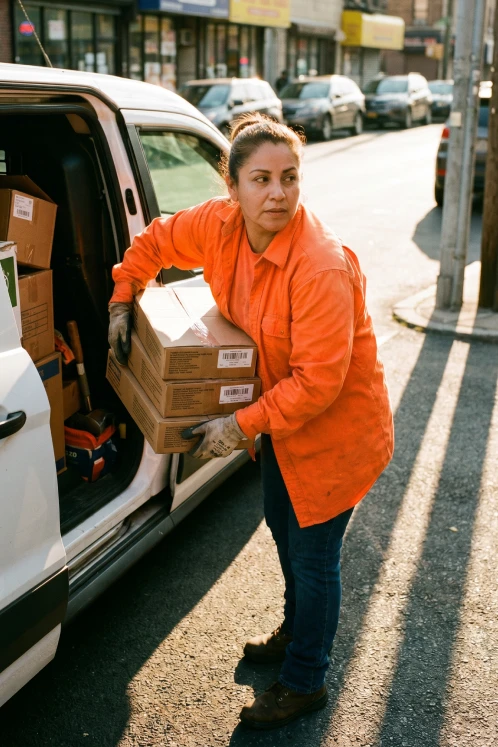
A clean out business clears homes, apartments, and commercial spaces of unwanted contents, then disposes of or donates what you remove. Demand stays steady because estate executors, downsizing seniors, landlords, and property managers all need someone to empty a property fast and responsibly. This guide walks through how to start a clean out business in the U.S., from validating your market to setting prices and hiring your first crew.
How much does it cost to start a clean out business?
A one-truck clean out business typically costs $20,000 to $42,000 to launch, with the truck and insurance making up most of the spend. You can cut that by financing the truck or buying used equipment. Your startup cost breaks down like this:
| Item | Low | High | Notes |
|---|---|---|---|
| Used truck or van | $15,000 | $30,000 | A 14- to 16-foot box truck is the versatile starting point |
| Insurance (liability and auto) | $3,000 | $7,000 | Annual premium for a one-truck operation |
| Equipment (dollies, gloves, bins) | $500 | $1,500 | Buy used dollies and straps to cut this cost |
| Business registration and permits | $300 | $800 | Varies by state and local requirements |
| Initial marketing (website, flyers) | $1,000 | $2,500 | Includes a simple site and door hangers |
| Working capital reserve | $8,000 | $15,000 | Six months of fuel, insurance, and disposal fees |
Here are 3 immediate steps to take:
- Map all competing clean out services within a 25-mile radius.
- Call two local real estate agencies to ask about their need for clean out services.
- Create a spreadsheet to itemize your estimated startup costs based on the ranges above.
How do you validate a clean out business idea?
Validation takes about two weeks and comes down to talking with 5 to 10 realtors, property managers, and senior living facilities, plus mapping every competitor within 25 miles. You confirm demand when at least three of those contacts say they currently pay for clean out services or have a gap they want filled.
Start by researching your local market. Use the U.S. Census Bureau Business Formation Statistics to understand neighborhood demographics. Also, contact property managers and real estate agents. Ask them what services they currently use and what they wish were available. This reveals direct demand.
Next, analyze your competition. Search Google Maps and Yelp for "junk removal" or "estate cleanout" in your area. Note their services, pricing structures, and customer reviews. A common misstep is to only compete on price. Instead, find a service gap you can fill, like weekend availability or eco-friendly disposal.
How do you set up the legal structure for a clean out business?
Form a Limited Liability Company (LLC) and get a federal Employer Identification Number (EIN) before your first job. The LLC protects your personal assets, and the EIN lets you open a business bank account, which you need to keep your liability protection intact.
Most new clean out businesses choose to form a Limited Liability Company (LLC). This structure protects your personal assets, like your home, from business debts. Profits and losses pass through to your personal tax return, which simplifies tax filing. You can file for an LLC through your state's Secretary of State website.
Once your business is registered, you will need a federal Employer Identification Number (EIN) from the IRS. It is free to get one online and takes only a few minutes. You need an EIN to open a business bank account, apply for permits, and hire employees down the road.
State and local permits
Your state requires a general business license. More importantly, you will likely need a solid waste hauling permit from your state's Department of Environmental Protection or a similar agency. The EPA maintains a directory of state environmental agencies where you can find your state regulator. Many new owners make the mistake of assuming they can use the local landfill like a resident; this can lead to heavy fines.
These permits can cost between $100 and $1,000 and take 30-90 days to process. In addition, check with your city or county clerk for any local business licenses or permits required to operate. This ensures you are fully compliant before your first job.
Here are 3 immediate steps to take:
- Visit your Secretary of State's website to review the LLC formation process and fees.
- Apply for your free Employer Identification Number (EIN) directly on the IRS website.
- Search for your state's solid waste hauling permit to find the specific application and requirements.
What insurance does a clean out business need?
A clean out business needs General Liability insurance, a Commercial Auto policy, and Workers' Compensation if you hire anyone. A $1 million general liability policy is the standard, and you should line up coverage before your first paid job.
With your legal structure in place, the next move is to protect your business. You will need General Liability insurance, which covers property damage or injuries to others. A $1 million policy is standard and typically costs between $600 and $1,200 annually, based on benchmarks from small-business insurance providers.
You also need a Commercial Auto policy for your truck. Your personal auto insurance will not cover accidents during a job. Expect to pay $1,500 to $4,000 per year for a $1 million liability policy. Many new owners overlook this detail, which can be a costly mistake.
Additional coverage to consider
If you hire anyone, even part-time, Workers' Compensation is mandatory in most states. It covers medical costs and lost wages for employee injuries. Premiums are usually 2-4% of your payroll. Requirements vary by state, so check your state workers' compensation board for the rules that apply to you. Also, consider Professional Liability insurance to protect against claims of negligence, like accidentally discarding a valuable item.
For these policies, get quotes from several commercial insurance providers. Look for insurers with experience in service businesses that understand the specific risks of junk removal, from property damage to employee strains.
Here are 3 immediate steps to take:
- Request quotes for a bundled General Liability and Commercial Auto policy.
- Research your state's Workers' Compensation requirements for small businesses.
- Ask an insurance provider about adding Professional Liability coverage to your policy.
Where do you base a clean out business and what equipment do you need?
You can start from home if local rules allow a commercial truck in a residential driveway. If not, a 500 to 1,000 square foot unit in a light industrial zone gives you room for the truck and gear. The single biggest equipment decision is buying a 14- to 16-foot box truck, which is large enough to avoid multiple trips on a single job.
You can start this business from home. First, check your local city or HOA rules on parking a commercial truck in a residential area. If you need a separate space, look for a 500-1,000 square foot unit in a light industrial zone to store your truck and equipment.
When you find a spot, try to negotiate a one or two-year lease instead of a longer term. This gives you flexibility as you grow. Also, ask the landlord to clarify all Common Area Maintenance (CAM) fees upfront so there are no surprises on your monthly bill.
Gather your primary equipment
Your truck is the biggest purchase, but the right gear makes each job faster and safer. Many people make the mistake of buying a truck that is too small. A 14- to 16-foot box truck is a versatile starting point that prevents inefficient, multiple trips for a single job.
You can find much of your starting equipment used to keep costs down. Here is a typical list with price estimates:
- Appliance and utility dollies: $150 - $400
- Safety gear (gloves, masks, glasses): $100 - $200
- Basic tools (shovels, brooms, pry bars): $200 - $500
- Ratchet straps and moving blankets: $150 - $300
Here are 3 immediate steps to take:
- Check your city's rules for parking a commercial truck in a residential area.
- Create a shopping list for your primary equipment with a detailed budget.
- Compare prices for new versus used dollies from suppliers like Uline or local equipment rental shops.
How do you get paid on clean out jobs?
Most clients pay with a credit card, and you should also accept cash or checks. For larger jobs, like a full estate cleanout, it is standard practice to require a 30-50% deposit upfront to secure the booking and cover initial disposal fees.
A mistake some new owners make is not having a way to take card payments on-site. This can delay payment and create cash flow problems. You need a reliable way to get paid the moment the work is finished, not a week later.
For a clean out business that needs to accept payments on the go, JIM offers a streamlined solution. With JIM, you can accept debit, credit and digital wallets directly through your smartphone. At just 1.99% per transaction with no hidden costs or extra hardware needed, it is particularly useful for collecting final payment right after a job.
Compare payment options for on-site collection
Many other payment providers charge rates between 2.5% and 3.5%. Here is how the main options compare for a clean out business collecting payment in the field:
| Payment method | Typical rate | Best for | Deciding criterion |
|---|---|---|---|
| JIM Tap to Pay | 1.99% per sale | On-site card and wallet payments | Lowest flat rate, no hardware, instant funds |
| Generic card reader terminal | 2.5% to 3.5% per sale | Higher-volume sellers with existing POS | Needs a physical terminal and setup |
| Payment link (JIM) | 4.99% + $0.30 per sale | Deposits and remote invoices | No app needed on the customer side |
Source: JIM official website, accessed August 2026.
Here is how JIM works:
- Get Started: Download the JIM app for iOS.
- Make a Sale: Type the sales amount, hit sell, and ask your customer to tap their card or device on your phone.
- Access Funds: Your money is available right on your JIM card as soon as the sale is done, with no wait for bank transfers.
Here are 3 immediate steps to take:
- Decide on your deposit policy for large jobs, such as 40% upfront.
- Download the JIM app to explore its features for on-site payments.
- Create a simple invoice template that clearly outlines your payment terms and accepted methods.
How do you fund a clean out business?
An SBA Microloan is the most accessible funding source for a new clean out business. The program caps loans at $50,000, and rates are negotiated between you and the lender. You can also finance the truck separately, since it serves as collateral for that loan.
For initial funding, you might want to look into an SBA Microloan. These loans go up to $50,000 and are great for startups. Lenders typically want to see a credit score of 680+ and a solid business plan. The SBA sets a ceiling on the interest rate your lender can charge, which keeps borrowing costs in check compared with other small-business loan options.
Another path is equipment financing, which is a loan specifically for your truck. Since the truck acts as collateral, these can be easier to secure than other loans. Also, consider a business credit card for smaller expenses like tools and initial marketing materials.
Plan for your first six months
Set aside working capital to cover operating costs before you have steady income. This fund covers fuel, insurance, disposal fees, and marketing. For the first six months, a buffer of $8,000 to $15,000 is a safe target for a one-truck operation.
Many new owners focus only on the big startup purchases and forget this. A single, slow-paying client or an unexpected truck repair can pause your business if you do not have this cash reserve. Plan for delays so they do not become emergencies.
Here are 3 immediate steps to take:
- Check your personal credit score, as lenders will review it for any loan application.
- Research SBA-approved lenders in your area for their microloan requirements.
- Build a 6-month operating budget to calculate your specific working capital needs.
How do you hire and run a clean out crew?
Your first hire is a Cleanout Technician at $18 to $25 per hour, and you should classify them as a W-2 employee if you set their hours and direct their work. Once you exceed a few jobs per week, scheduling software replaces a paper calendar and keeps your crew on track.
Build your cleanout crew
Your first hire will likely be a Cleanout Technician. Expect to pay between $18 and $25 per hour. This person needs a valid driver's license and a clean record, as they will help with driving, heavy lifting, and customer interactions on-site.
A mistake some new owners make is hiring friends or family without a formal agreement. Always use a clear job description that outlines duties and expectations. This prevents misunderstandings and keeps the relationship professional from day one.
Streamline your daily operations
Once you have more than a few jobs per week, a paper calendar becomes a liability. You might want to use scheduling software like Jobber or Housecall Pro. These platforms help you manage bookings, dispatch your team, and handle invoicing from one place.
As a benchmark based on operator interviews, a two-person team should aim to generate $150,000 to $250,000 in annual revenue. Also, be careful to classify your workers correctly. The IRS applies common-law rules to decide worker status: if you set their hours and direct their work, they are W-2 employees, not 1099 contractors. Misclassification can lead to serious IRS penalties.
Here are 3 immediate steps to take:
- Draft a job description for a Cleanout Technician with pay and responsibilities.
- Sign up for a free trial of a scheduling software like Jobber to test its features.
- Research your state's laws on employee classification (W-2 vs. 1099).
How do you market a clean out business?
Claim a free Google Business Profile and build a referral network with real estate agents and property managers. These two channels, plus a branded truck, generate most of the leads a new clean out business needs in its first year.
Your first marketing move is to claim your free Google Business Profile. Fill it out completely with high-quality photos of your truck and team, your service area, and hours. Ask your first few clients for reviews; aim for 5-10 within 60 days.
Many new owners just wait for the phone to ring. A better approach is to build a referral network. Connect with local real estate agents, property managers, and senior living facilities. A simple introduction can lead to consistent, high-value work.
Create your marketing channels
For direct leads, you might want to run Google Local Services Ads. You pay per lead, not per click, with costs often between $30 and $70 per qualified lead. This is more direct than standard Google Ads for service businesses.
Also, create simple, professional flyers and door hangers. Distribute them in neighborhoods with a high turnover of homes. A QR code that links to your website or Google profile makes it easy for potential clients to contact you.
A common mistake is to ignore the power of a branded truck. Your vehicle is a mobile billboard. Invest in professional lettering with your business name, phone number, and website. This simple step generates calls while you are on the job or just driving around town.
Here are 3 immediate steps to take:
- Claim and complete your Google Business Profile with at least five photos.
- Identify three local real estate agencies to contact for potential partnerships.
- Get a quote for professional lettering for your truck.
How do you price a clean out business?
Price by truckload volume, with flat rates for single items, and target a 50-65% gross profit margin after labor and disposal fees. Volume pricing is the easiest for clients to understand and the easiest for you to quote on a phone call.
Most clean out jobs are priced by volume. You might want to set rates for a quarter, half, and full truckload. For a 15-foot box truck, this could be $250 for a quarter load and up to $700 for a full load. This model is straightforward for clients.
Price by the job, not just the hour
For single items like a mattress or refrigerator, offer a flat rate. You could charge $100 for a mattress removal. This is simple for the customer to understand and avoids disagreements over the time a job takes. It also rewards your efficiency.
Aim for a 50-65% gross profit margin after labor and disposal fees. Suppose a full truckload job brings in $600. Your direct costs might be $150 for a technician's labor, $40 for fuel, and $35 in landfill disposal fees, for $225 in costs. That leaves $375 in gross profit, a 62.5% margin. A mistake some new owners make is forgetting to account for special disposal fees for items like tires or electronics. Check your local landfill's commercial rate sheet and build these costs into your quotes.
Here are 3 immediate steps to take:
- Call three local competitors to get a quote for a half-truck load of junk.
- Create a price sheet based on truck volume, from a single item to a full load.
- Get a commercial rate sheet from your local landfill to list all special disposal fees.
Is a clean out business profitable?
A one-truck clean out business can generate $150,000 to $250,000 in annual revenue and keep 50-65% of that as gross profit, which makes it profitable once you fill the schedule. Profitability depends on utilization: a truck that runs three to four jobs per week with disciplined pricing clears a healthy margin.
The revenue range above comes from operator interviews with one-truck clean out businesses. Here is how a representative first year can look, labeled as an example:
| Line item | Example amount | Notes |
|---|---|---|
| Revenue (3.5 jobs per week at $550 average) | $100,100 | Year-one ramp, partial schedule |
| Labor (1 technician, part-year) | $32,000 | $20 per hour, 30 hours per week |
| Fuel | $8,400 | Local routes, estimated |
| Disposal fees | $12,000 | Varies by landfill and load mix |
| Insurance | $4,500 | General liability plus commercial auto |
| Marketing | $2,000 | Flyers, ads, Google Business Profile |
| Gross profit | $41,200 | ~41% gross margin in year one |
| Gross margin (mature) | 50-65% | After schedule fills and routes optimize |
This example shows why the first six months feel tight. Revenue ramps while fixed costs like insurance stay flat, so margin improves as your schedule fills.
Which clean out niche should you specialize in?
Estate cleanouts, foreclosure cleanouts, hoarding situations, and construction debris removal each have different job sizes, pricing, and requirements. Picking a niche early lets you tailor your equipment, marketing, and pricing to the jobs you want.
| Niche | Typical job size | Average price | What it requires |
|---|---|---|---|
| Estate cleanout | Full home, 1 to 3 truckloads | $500 to $2,500 | Sensitivity, donation sorting, appraisal awareness |
| Foreclosure cleanout | Full home, trash-out | $400 to $1,800 | Fast turnaround, bank or REO agent relationships |
| Hoarding cleanout | Full home, 2 to 5 truckloads | $1,000 to $5,000 | PPE, biohazard awareness, patience, disposal volume |
| Construction debris removal | Site cleanup, 1 to 2 truckloads | $300 to $1,200 | Contractor relationships, dump trailer, heavier tools |
Estate and foreclosure cleanouts are the most common entry points because they lead to steady referrals from real estate agents. Estate cleanout work also overlaps with estate sale services, so some owners add liquidation as a second offering. Hoarding jobs pay more but require personal protective equipment and disposal volume capacity. Construction debris removal suits owners with a construction background and a dump trailer.
Here are 3 immediate steps to take:
- Identify which two niches are most common in your county using local real estate and contractor listings.
- Adjust your equipment list for the niche you choose, such as PPE for hoarding jobs.
- Build a referral contact list for that niche, like REO agents for foreclosure work.
How do you maintain quality and scale a clean out business?
Track your callback rate and aim for under 2%, then scale by adding a second technician when you turn down more than two jobs per week. A second truck makes sense when your first truck generates over $200,000 in annual revenue and runs 80% of the time.
Establish your quality standards
Define what a high-quality job means for your business. You can track metrics like your customer callback rate, aiming for less than 2%. Also, monitor your average review score on Google, with a goal to stay above 4.8 stars.
Create a simple post-job checklist. This ensures every job ends with a final sweep, a client walk-through, and a signed completion form. Many owners skip this, which can lead to disputes or bad reviews when a small detail is missed.
Know when to grow
Growth should be data-driven. Consider hiring another technician when you consistently turn down more than two jobs per week. A good benchmark to buy a second truck is when your first one generates over $200,000 in annual revenue and is booked 80% of the time.
As you add crews, software like Jobber or Housecall Pro becomes very helpful. These platforms manage multi-crew scheduling and route optimization. This prevents logistical headaches and keeps your operation efficient as it gets more complex.
Here are 3 immediate steps to take:
- Create a post-job quality checklist with at least three sign-off items.
- Set a specific monthly revenue target that will signal it is time to plan for a second truck.
- Review the multi-crew scheduling features on a platform like Jobber or Housecall Pro.
What a first-year clean out business looks like
As an example, consider a one-truck clean out business that launches in a mid-sized metro area. The owner budgets $32,000 for a used 16-foot box truck, forms an LLC for $300, and secures general liability and commercial auto insurance for $3,800. In the first 90 days, the owner books 12 jobs through a Google Business Profile and two real estate agent referrals, averaging $575 per job and grossing about $6,900.
By month six, the schedule fills to three jobs per week. The owner hires one technician at $20 per hour, adds scheduling software, and tracks a 61% gross margin on a typical full-load job. The lesson here is consistent: fill the schedule before you add fixed costs, and price by volume so every job carries its share of overhead. Your numbers will differ, but the pattern holds across operators.
A clean out business takes roughly $20,000 to $42,000 to start, reaches $150,000 to $250,000 in annual revenue with a full schedule, and clears a 50-65% gross margin once you price by volume and track your disposal costs. Your next decision point is whether to run solo or hire your first technician, which usually makes sense once you turn down more than two jobs per week.
As you get started, a simple payment process helps. JIM turns your phone into a card reader, letting you accept payments on-site for a flat 1.99% fee with no extra hardware. Your money is available instantly. Download JIM to get set up.
Frequently Asked Questions
Is a clean out business profitable?
How much does it cost to start a clean out business?
Do you need a license for a clean out business?
How much can you make with a clean out business?
What equipment do you need for a clean out business?
How do you price clean out jobs?



Sell and get paid in seconds with Jim