How to start a face painting business: a creative guide

See article summary
- Startup costs run $750 to $1,550 for an FDA-compliant kit, license, and insurance.
- You need a local business license, an EIN if you form an LLC, and general liability insurance.
- Professional cosmetic-grade paint kits from Mehron or Wolfe FX cost $300 to $500.
- Hourly party rates range from $100 to $175, with per-face supply costs under $1.
- A 50% non-refundable deposit and mobile card payments protect your cash flow.
Starting a face painting business costs $750 to $1,550 for a professional kit, a business license, and liability insurance. A face painter needs a local business license, an Employer Identification Number if forming an LLC, and an FDA-compliant, cosmetic-grade paint kit. Demand is steady across children's birthday parties, local festivals, and corporate events, and the per-face supply cost stays under $1 once the kit is paid off, which makes this a strong side hustle or full-time service business.
How do you validate a face painting business idea?
A face painting business succeeds when local demand for party and event entertainment matches your pricing and availability. Start by researching local demand through your city's public event calendar and local parenting groups on Facebook, where parents discuss party vendors. Contact party venues and event planners to ask whether they keep a preferred vendor list.
Next, analyze your competition. Search for face painters in your area on platforms like GigSalad, The Bash, and Instagram. Note their pricing, the art styles they offer, and what their party packages include. This helps you find your unique spot in the market rather than competing only on price.
A snapshot of live listings gives you a real baseline. The table below shows typical 2-hour party rates published by face painters on GigSalad and The Bash across three U.S. markets. Treat these as a starting point for your own research, since rates shift with season and experience.
| Market | Average 2-hour party rate | Active listings |
|---|---|---|
| Austin, TX | $200 to $250 | 18 |
| Columbus, OH | $150 to $200 | 12 |
| Orlando, FL | $175 to $225 | 22 |
Source: GigSalad and The Bash vendor listings, accessed August 2026.
Estimate your startup costs
Your initial investment will mostly cover supplies and legal setup. Budgeting for these items upfront prevents surprises later. As an illustrative example, a new painter can expect to spend between $750 and $1,550 to get started. Your actual total depends on the brands you choose and your state's licensing fees.
A professional, FDA-compliant paint kit from a brand like Mehron or Wolfe FX will cost $300 to $500. Some beginners try to save money with craft-store supplies, but craft paint is not formulated for skin and can cause allergic reactions and liability problems. Always use cosmetic-grade products.
In addition, budget for a business license ($50 to $150) and general liability insurance. Insurance premiums vary by provider and coverage level, so request quotes from at least two insurers before you commit. Basic marketing materials like business cards and a simple online portfolio might add another $100 to $300 to your initial costs.
Three things to do this week:
- Research three local competitors on GigSalad or Instagram to analyze their services.
- Create a startup budget spreadsheet that lists potential costs for supplies, insurance, and licensing.
- Visit your city or county clerk's website to identify the specific business permits you will need.
How do you set up your legal structure and get licensed?
A face painter needs a local business license, an Employer Identification Number if forming an LLC, and possibly a state sales tax permit. First, decide on a business structure. Most new face painters choose between a sole proprietorship or a Limited Liability Company (LLC). An LLC is often a smart move because it separates your personal assets from business debts, offering you protection if something goes wrong.
For tax purposes, the IRS treats a single-member LLC as a "disregarded entity" by default, which means business profits and losses are reported on your personal tax return. You can also elect a different classification, such as S-corporation taxation, by filing Form 8832. Source: IRS LLC filing as a corporation or partnership. A sole proprietorship is simpler to set up but offers no liability protection, mixing your personal and business finances.
Secure your licenses and permits
You will not need a specific federal license for face painting. However, you should get a free Employer Identification Number (EIN) from the IRS if you establish an LLC. Source: IRS Employer ID Numbers. At the state level, you may need a sales tax permit to collect tax on your services.
If you operate under a name different from your own, you must register it as a "Doing Business As" (DBA) name. The most important document is your local business license, obtained from your city or county clerk. Expect this to cost between $50 and $150.
Your next steps:
- Decide between forming an LLC or operating as a sole proprietorship.
- Apply for a free Employer Identification Number (EIN) directly from the IRS website.
- Contact your city clerk's office to get the application for a general business license.
What insurance does a face painter need?
A face painter's top priority is general liability insurance, which covers you if a child has an allergic reaction to your paint or if you accidentally damage a client's property. Many event organizers will require you to have it before they hire you.
A typical policy offers $1 million in coverage. Premiums vary by provider, location, and coverage limits, so request quotes from at least two insurers. Some painters try to operate without insurance to save money, but a single claim could easily bankrupt your business. It is not a corner you want to cut.
You might also consider inland marine insurance. This policy covers your professional equipment, like your paint kit and chair, against theft or damage while you transport it. It protects your most valuable business assets.
When you look for a policy, consider providers that specialize in the entertainment or beauty industries. Companies like Beauty and Bodywork Insurance (BBI), Next Insurance, and Thimble understand the specific risks you face and often have tailored plans. Check each provider's published rate page for current premium estimates.
Before you buy:
- Request quotes for general liability insurance from providers like BBI and Next Insurance.
- Review policy details to confirm coverage for allergic reactions.
- Ask a local event planner about their vendor insurance requirements.
What equipment do you need to build a mobile face painting kit?
A face painting business is mobile, so you will not need a commercial space. Your focus is to build a professional, portable station that you can transport to parties and events. A polished setup signals quality to clients.
Assemble your core supplies
Start with a professional, FDA-compliant paint kit. Brands like Mehron, Wolfe FX, and TAG are industry standards. The U.S. Food and Drug Administration regulates color additives in cosmetics, including face paint, and requires that every color additive be approved for its intended use on skin. Source: FDA novelty makeup and color additives. Craft paint is not FDA-approved for skin and can cause reactions. A complete starter kit with a palette of colors, brushes, sponges, and cosmetic-grade glitter will cost between $300 and $500.
You also need a tall director's chair, which costs about $50 to $100. This saves your back from constant stooping. Add a sturdy, portable table ($40 to $80), a shatterproof mirror for the big reveal, and a multi-well water basin for brush cleaning.
Find reliable suppliers
You can find all your supplies from specialized online retailers. Websites like Jest Paint and Silly Farm cater to individual artists, so you do not need to worry about large minimum orders. They often bundle starter kits that offer good value for new painters.
Kit-building checklist:
- Compare the contents and prices of starter kits from Jest Paint and Silly Farm.
- Source a tall director's chair and a portable folding table from an online retailer.
- Create a design menu of 10 to 15 popular face paint options you can complete in under five minutes each.
How do you set up your payment system?
A face painting business needs a clear deposit policy and a reliable way to accept card payments on-site. It is standard practice to require a 50% non-refundable deposit to book a date. This protects your income from cancellations. The remaining balance should be due on the day of the event, before you begin painting.
You need a reliable way to accept payments on-site. While some clients may pay cash, many expect the convenience of card payments. A mobile payment solution that lets you accept debit, credit, and digital wallets directly through your smartphone is a practical fit for a service business that works at different locations each week.
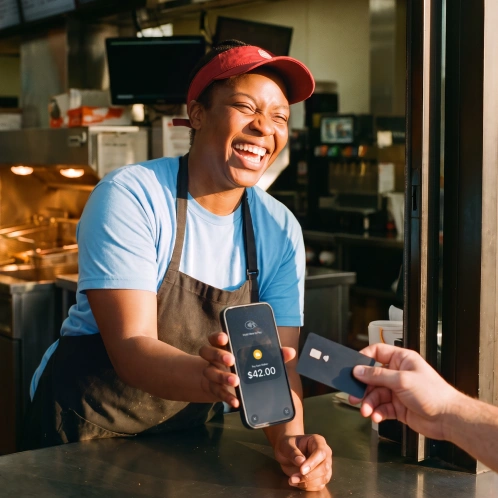
For a face painting business that needs to accept payments on the go, JIM offers a streamlined solution. With JIM, you can accept debit, credit and digital wallets directly through your smartphone, just tap and done. At 1.99% per transaction with no hidden costs or extra hardware needed, it is particularly useful for collecting final payments at parties. Other payment solutions often charge between 2.5% and 3.5% per transaction or require a separate card reader, so compare the total cost before you commit.
- Get Started: Download the JIM app for iOS.
- Make a Sale: Type the sales amount, hit sell, and ask your customer to tap their card or device on your phone.
- Access Funds: Your money is available right on your JIM card as soon as the sale is done, no waiting for bank transfers.
Three things to set up:
- Decide on your deposit policy, such as a 50% non-refundable fee to secure bookings.
- Download the JIM app to explore its features for on-site payments.
- Draft a simple contract clause that outlines your payment terms and when the final balance is due.
How do you fund a face painting business?
Most face painters self-fund with personal savings because startup costs are relatively low. If you need a small loan, an SBA Microloan for a creative craft business is a solid option. These loans range from $500 to $50,000 and are offered through local nonprofit lenders with interest rates between 8% and 13%. Source: SBA Microloan program.
You might also explore a Kiva loan. This is a 0% interest, crowdfunded loan where you can often secure up to $1,000 with social backing from your community. It is a great way to get a small boost without incurring debt.
Plan your working capital
Set aside enough cash to cover your first six months of operation. A good estimate is between $500 and $1,000. This buffer covers replenishing supplies, ongoing marketing costs, and your annual insurance premium. One common misstep is budgeting only for the initial kit and forgetting the recurring costs that come up every month.
Once you have your funds, open a separate business checking account. This simplifies bookkeeping, makes tax time much easier, and presents a more professional image to clients who pay with checks or direct transfers. It keeps your personal and business finances from getting mixed up.
Get your finances in order:
- Calculate your working capital needs for the first six months.
- Find an SBA Microloan intermediary lender in your state via the SBA website.
- Open a dedicated business checking account for your new venture.
How do you build a team and manage operations?
You will likely start as a solo operator. Once you begin turning down gigs because you are already booked, it is time to build a team. This allows you to accept multiple events on the same day and increase your revenue.
Hiring contract artists
Instead of employees, you will hire freelance artists on a contract basis. Look for painters with a strong portfolio and experience with kids. Avoid the trap of hiring friends without vetting their skills or professionalism. Always ask for a portfolio and references.
Pay for contract artists typically ranges from $30 to $50 per hour. Another popular model is a revenue split, where the artist receives 40 to 60% of the hourly rate you charge the client. Make sure you have a clear independent contractor agreement that outlines payment, supplies, and conduct.
Managing your schedule
When you first start, a simple Google Calendar is enough to manage your bookings. As your business grows and you add artists, you might consider client management software. Platforms like HoneyBook or Gigwell can help you manage contracts, invoices, and scheduling for multiple artists.
Ready to scale:
- Outline the criteria for a contract artist, including portfolio quality and experience.
- Draft a simple independent contractor agreement that specifies payment rates and responsibilities.
- Set up a free Google Calendar to track your initial bookings and availability.
How do you market a face painting business?
Build your visual portfolio
Your portfolio is your strongest marketing asset. Start with a business profile on Instagram to showcase your work. Skip the blurry phone shots. Always use good lighting and a clean background to make your designs pop.
Focus on capturing clear, close-up shots of 10 to 15 different designs. This shows clients your range and skill. You do not need a professional photographer, as a modern smartphone camera is more than enough to get started.
Find your first clients
With your portfolio ready, it is time to find clients. A great place to start is local parenting groups on Facebook. You might introduce yourself and offer an introductory rate for your first five bookings to build a client base and gather testimonials.
You can also list your services on platforms like The Bash or GigSalad. In addition, consider partnering with other local businesses. Reach out to party planners and event venues with an offer of a 10% referral fee for any clients they send your way.
Marketing moves to make:
- Create an Instagram business profile and post 10 high-quality photos of your best designs.
- Join two local parenting groups on Facebook and post an introduction with a portfolio-building offer.
- Draft an email to send to three local party planners to propose a referral partnership.
How do you price face painting services and create packages?
Most face painters use one of two pricing models. For private parties, an hourly rate is standard, typically ranging from $100 to $175 per hour. For public festivals or fairs, a per-face rate of $8 to $20 per design is more common and can be more profitable.
Price yourself within the local market range. Underpricing to attract your first clients can make it difficult to raise your rates later. Research competitors on GigSalad and The Bash to find the average 2-hour party rate in your area and position yourself within that band.
Develop your party packages
Packages make it easier for clients to understand your offerings. Create two or three options. It is also wise to set a minimum booking time, such as 1.5 or 2 hours, especially for weekend events, to make each job worthwhile.
Here are some sample packages:
- Standard Party: 1.5 hours, up to 15 faces, for $175.
- Deluxe Party: 2 hours, up to 25 faces, includes simple glitter tattoos, for $250.
- Corporate Event Rate: $150 per hour, with a 3-hour minimum.
Profitability math for a single party
Once you have paid for your initial kit, your supply cost per face is minimal, often under $1. Your price primarily covers your time, skill, and business overhead like insurance. Here is a worked example for a standard $175 party, treated as an illustration rather than a guarantee.
| Line item | Amount |
|---|---|
| Party revenue (1.5 hours) | $175 |
| Paint and glitter supplies | -$5 |
| Fuel and travel | -$10 |
| Insurance allocation | -$4 |
| Net profit | $156 |
Source: Illustrative example based on typical industry costs.
Set your rates:
- Set your standard hourly rate based on local competitor research.
- Create two tiered party packages with different time limits and features.
- Establish a minimum booking requirement, such as a 1.5-hour minimum for private parties.
How do you maintain quality and scale your operations?
As your reputation grows, maintaining consistent quality is what will set you apart. Your non-negotiable standards should include using only FDA-compliant, cosmetic-grade paints and sanitizing your brushes and sponges. A clean, professional kit is your best advertisement.
Allergy and patch-test protocol
Even with FDA-compliant paints, a small number of children will have sensitive skin. Keep a simple patch-test protocol: apply a small amount of paint to the inside of the forearm, wait 10 minutes, and check for redness before painting the face. The FDA recommends performing a patch test on a small area of the arm for a couple of days to check for allergic reactions before applying face paint to the entire face. Source: FDA novelty makeup and color additives. Ask parents about known allergies before you start.
Measure your performance
Track your success with specific metrics. As an opinion-based target based on common industry practice, aim for a 90% 5-star review rate on platforms like The Bash or your business Facebook page. You should also monitor your repeat client rate, with a goal of 15 to 20% in your first year. These numbers show you what is working.
Seasonal revenue planning
Face painting demand peaks in spring and summer and dips in January and February. Plan for this cycle by booking school holiday events, indoor mall activations, and holiday-themed parties during the slow months. Setting aside 10% of your peak-season revenue as a buffer keeps cash flow steady when bookings drop.
Know when to grow
When you start turning down more than four gigs in a month because you are booked, it is time to hire. Do not bring on friends without a proper check. Instead, hold a paid trial run to see if a contractor's style and professionalism match your brand.
Once you add artists, a simple calendar is not enough. You might want to explore client management software like HoneyBook or Gigwell. These platforms help you manage contracts, invoices, and schedules for your entire team, which prevents double-bookings and missed payments.
Quality and growth checklist:
- Set a goal to achieve a 90% 5-star review rate across all platforms.
- Define your hiring trigger, such as turning down four gigs in one month.
- Create a trial account for a client management platform like HoneyBook to explore its features.
Your first move today: apply for your Employer Identification Number at the IRS website. It takes about 10 minutes, it is free, and it unlocks your ability to open a business bank account, form an LLC, and separate your personal finances from your business income. Once that is done, order your FDA-compliant starter kit and block off a weekend to practice your first 10 designs.
And for payments, keep it simple. JIM lets you accept cards right on your smartphone for a 1.99% transaction fee, no hardware needed. This makes final payments at parties easy. Download JIM and you are all set.
Frequently Asked Questions
Is a face painting business profitable?
Do I need a license to start a face painting business?
How much does it cost to start a face painting business?
What insurance does a face painter need?
Do I need FDA-compliant face paint?


Sell and get paid in seconds with Jim