Cash App vs Zelle: Which Payment App Is Right for You?

See article summary
- Zelle wins on speed and cost for bank-to-bank transfers between people you trust
- Cash App wins on features and flexibility, with a debit card, Bitcoin, and stock investing
- Neither app offers purchase protection, so payments are irreversible once sent
- Cash App charges 3% for credit card sends and 0.5% to 1.75% for instant bank transfers
- JIM fills a different gap: accepting card payments in person at a flat 1.99% fee
You owe a friend for dinner or need to collect payment from a client, and you want the money to move fast. Both Cash App and Zelle promise quick transfers, but choosing between them comes down to what else you need from a payment app.
Cash App offers a broader financial toolkit with its own debit card, Bitcoin trading, and stock investing. Zelle focuses purely on speed, moving money directly between bank accounts in minutes with zero fees. According to CNBC, Zelle processed over $1 trillion in 2024 across 151 million users, showing just how mainstream peer-to-peer payment apps have become.
Zelle wins on speed and cost for bank-to-bank transfers between people you trust. Cash App wins on features and flexibility, with a debit card, Bitcoin, and stock investing in one app. Neither offers purchase protection, so payments are irreversible once sent.
Cash App vs Zelle: Quick Comparison
| Feature | Zelle | Cash App |
|---|---|---|
| Cost to send | Free | Free (debit); 3% (credit card) |
| Transfer speed | Minutes | Instant (in-app); 1-3 days (to bank) |
| Instant bank transfer | N/A (direct to bank) | 0.5%-1.75% fee |
| Bank account required | Yes | No |
| Standalone app | No (built into banking apps) | Yes |
| Debit card | No | Yes (Cash Card) |
| Bitcoin/Stocks | No | Yes |
| Business payments | Yes (Zelle for Small Business) | Yes (2.75% fee) |
What is Cash App?
Cash App is a mobile payment app that functions as a mini financial platform. Beyond peer-to-peer transfers, it offers a free Visa debit card, stock and ETF investing, and Bitcoin trading. You can receive direct deposits, cash out your balance to a linked bank account, and even use the app without a traditional checking account. Share your unique Cashtag or phone number to receive money from anyone, and personalize payment notes with emojis.
Cash App Key Features
- Cash Card: Free Visa debit card linked to your Cash App balance, with custom designs available
- Boosts: Instant discounts at select retailers when using your Cash Card
- Direct deposit: Receive paychecks directly into your Cash App account
- Stock and ETF investing: Buy fractional shares with no commission
- Bitcoin: Purchase, sell, and send cryptocurrency
- Works without a bank account: Useful if you are unbanked or underbanked
Cash App Fees
Cash App's fee structure depends on how you use it:
- Sending from balance or debit card: Free
- Sending from credit card: 3% fee
- Standard bank transfer: Free, 1-3 business days
- Instant transfer to bank: 0.5%-1.75% (minimum $0.25)
- Business account payments: 2.75% per payment received
- ATM withdrawals: Cash Card works at ATMs, though fees may apply
What is Zelle?
Zelle is a transfer service built directly into thousands of banking apps that moves money between bank accounts fast and free. Unlike Cash App, Zelle focuses purely on speed and simplicity with no debit card, investing features, or extras. If your bank or credit union supports Zelle, you can send and receive money without downloading a separate app. The trade-off for this streamlined approach is that Zelle requires a linked US bank account to function.
Zelle Key Features
- Bank integration: Built directly into mobile banking and online banking apps from participating financial institutions
- No separate download: Access Zelle through your existing bank app if supported
- Direct transfers: Money moves straight to the recipient's bank account with no balance to manage
- No fees: Free to send and receive, with no credit card option available
Zelle Fees
Zelle keeps things straightforward with no fees to send or receive money. Transfers move directly from your bank account to the recipient's bank account with no middleman holding your funds. You cannot link a credit card to Zelle, which eliminates the option but also removes any temptation to pay a percentage fee.
Some financial institutions impose their own transfer limits or restrictions. The trade-off for free transfers is that Zelle offers no purchase protection, so sending to someone you don't trust carries real risk.
What It Actually Costs: Worked Examples
Abstract fee ranges only tell part of the story. Here is what you pay to send specific amounts through each app, based on the fee schedules each platform publishes.
| Scenario | Zelle | Cash App |
|---|---|---|
| Send $50 from debit or balance | $0 | $0 |
| Send $50 from credit card | Not available | $1.50 (3%) |
| Send $500 from debit or balance | $0 | $0 |
| Send $500 from credit card | Not available | $15.00 (3%) |
| Instant transfer $2,000 to bank | N/A (direct to bank) | $10.00-$35.00 (0.5%-1.75%) |
| Receive $100 as a business payment | N/A | $2.75 deducted (2.75%) |
Source: Cash App and Zelle official fee disclosures, accessed August 2026.
For merchants who outgrow P2P apps and need dedicated card processing, the fee math shifts. Standard credit card processors charge 2.6% to 3.5% per transaction, while JIM accepts card payments at a flat 1.99% with no hardware purchase. When your monthly volume justifies a real payment processor instead of P2P, that difference compounds quickly.
How They Compare to Venmo, PayPal, and Apple Cash
Cash App and Zelle are two of the biggest names in peer-to-peer payments, but they are not the only options. Venmo (owned by PayPal) adds a social feed and works well for splitting bills with friends. PayPal offers broader reach for online purchases and international transfers. Apple Cash lets iPhone users send and receive money through Messages with the same speed as a text.
Where each app fits depends on what you value: Zelle for free bank-to-bank speed, Cash App for investing and a debit card, Venmo for social payments, and PayPal for online checkout. For a deeper look at how Cash App stacks up against PayPal specifically, see our Cash App vs PayPal comparison.
You can also explore the full range of Cash App alternatives to see how Venmo, Zelle, and PayPal differ on fees and features.
Cash App vs Zelle: Which Is Safer?
Both Cash App and Zelle were designed for sending money to people you already know and trust. Because transfers are typically irreversible once sent, neither app includes the purchase protection you would find with a credit card. With that context in mind, here is how their security features compare.
| Feature | Zelle | Cash App |
|---|---|---|
| Encryption | Yes (bank-level) | Yes |
| Biometric login | Via bank app | Yes |
| Payment reversible | No | No |
| FDIC insurance | Via your bank | Yes (with Cash Card) |
| Purchase protection | No | No |
Zelle Security
Zelle operates within your bank's existing encryption and fraud detection systems, which provides institutional-level protection. The catch: transfers cannot be reversed once the recipient accepts them, and scammers can register with fake email addresses or phone numbers to impersonate trusted contacts. The app was designed for sending money to people you already know and trust.
The New York Attorney General sued Zelle in 2025, alleging security lapses led to $1 billion in consumer fraud losses. Zelle's lack of purchase protection means you have limited recourse if you fall victim to scams.
Cash App Security
Cash App encrypts all transactions and offers PIN protection, Face ID, and Touch ID for authentication. The app provides FDIC insurance up to $250,000 when you have a Cash Card and meet certain requirements. Source: Cash App banking disclosures.
That said, Cash App has faced its own challenges. Block, Cash App's parent company, disclosed in an SEC filing that a former employee downloaded customer reports in December 2021 without authorization, exposing data from approximately 8.2 million current and former users. Like Zelle, payments sent through Cash App are typically irreversible, and scams targeting users remain common on the platform.
Common Cash App and Zelle Scams to Avoid
Neither app offers purchase protection, which makes both attractive targets for scammers. Watch for these specific patterns:
- Fake buyer scam: A stranger overpays for an item you are selling and asks you to refund the difference. The original payment later reverses, leaving you out the refund amount.
- Overpayment scam: Someone sends you more than the agreed price, claims it was a mistake, and requests the excess back before the fraudulent transfer is detected.
- Romance scam: A person you met online builds trust over time, then asks for money for an emergency, travel, or medical bills. The request escalates once you send the first payment.
- Impersonation scam: A scammer poses as a friend, family member, or business contact using a spoofed phone number or email, then requests an urgent transfer.
The safest approach with either app is only sending money to people you personally trust.
Which Should You Choose?
The right choice depends on how you plan to use a payment app. Cash App and Zelle both excel at peer-to-peer transfers, splitting bills, and sending money to friends or family. But if you run a business and need to accept card payments from customers, these P2P apps were not designed for that job. Match your situation to the best fit below.
Choose Zelle If:
- You want instant, fee-free transfers between bank accounts
- Your bank already offers Zelle integration
- You only send money to people you know and trust
- You prefer simplicity over extra features
- You don't need a separate app balance or debit card
Choose Cash App If:
- You want a free Visa debit card with discount boosts
- You're interested in buying Bitcoin or stocks
- You don't have a traditional checking account
- You accept business payments using your Cashtag or phone number (and can absorb the 2.75% fee)
- You want a standalone app with your own Cashtag and phone number access
Cash App vs Zelle: Final Verdict
Both apps solve the problem of moving money quickly, but they serve different needs. Zelle works best for fast, free transfers between bank accounts with no app balance to manage. Cash App offers a broader financial toolkit with a debit card, Bitcoin, stock investing, and the flexibility to work without a traditional bank.
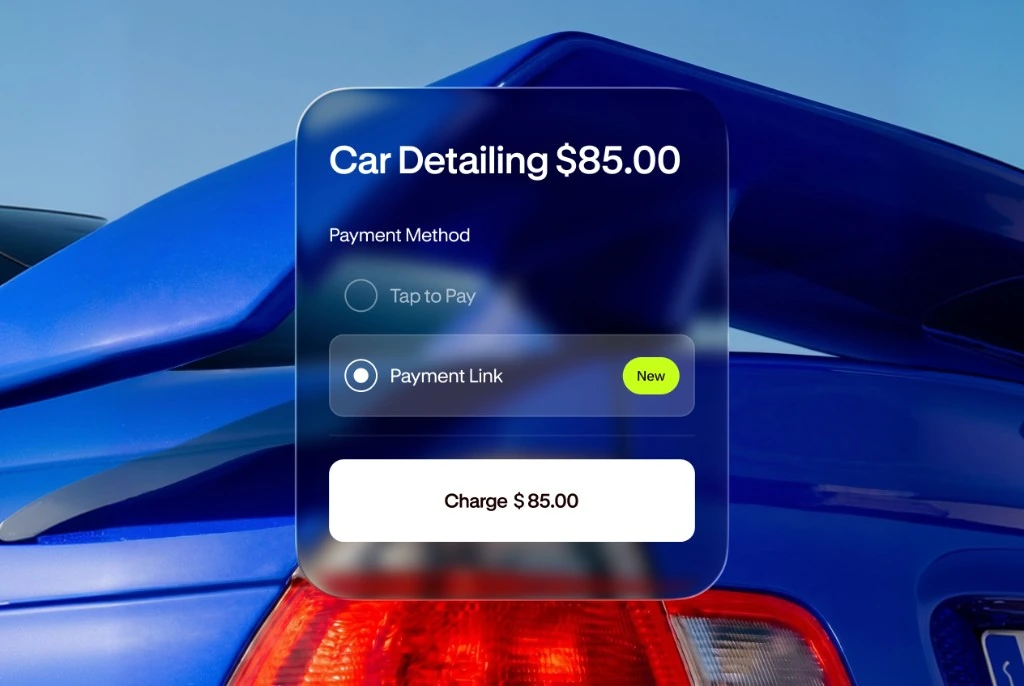
If you are a merchant collecting payments in person, neither P2P app was built for the job. JIM accepts contactless payments on your iPhone with a flat 1.99% fee and instant payouts to your JIM Visa® Prepaid Card. No card reader, no monthly charges. For a full breakdown of accepting payments on the go, see this guide to in-person payment options for your business.
Ready to accept payments wherever business takes you? Download JIM and start selling in minutes.
Frequently Asked Questions
Can I use Zelle without a bank account?
Which money app is safest?
What is the downside to using Cash App?
What is the $600 rule on Cash App?
Can you send money from Zelle to Cash App without a bank account?
How much does Cash App charge for $100?



Sell and get paid in seconds with Jim